

Curative Screening & Pre-Cancerous Prevention
Gastrointestinal cancers (including colon, stomach, and esophagus) are among the most treatable malignancies in the world, provided they are detected early. Advanced optical imaging allows Dr. Ankita Gupta to examine cellular microvascular patterns and excise pre-malignant polyps scarlessly.
Specialized Diagnostic & Clinical Protocols
Every patient follows a structured, evidence-based pathway designed to eliminate guesswork and restore health.
Preventive Screening Colonoscopy
Recommended globally from age 45. Detects and removes adenomatous polyps before they can undergo malignant transformation.
- Cold snare polypectomy for instant polyp excision
- Histopathological laboratory analysis of all resected tissue
- Tailored recall interval (e.g. 5-10 years based on risk)
Narrow Band Imaging (NBI) Optical Biopsy
Special optical filters highlight superficial mucosal blood vessels to pinpoint early neoplasia and gastric intestinal metaplasia.
- Micro-vascular pattern classification
- Distinguishes benign hyperplastic polyps from adenomas
- Zero-delay diagnostic precision
Barrett’s Esophagus Surveillance
Specialized protocol for long-standing acid reflux patients to monitor cellular changes in the lower esophagus.
- Seattle biopsy protocol for high-grade dysplasia
- Endoscopic surveillance preventing esophageal adenocarcinoma
- Acid suppression optimization
H. Pylori Eradication & Gastric Cancer Prevention
Helicobacter Pylori is classified as a Group 1 human carcinogen by the WHO. Eradicating it drastically cuts stomach cancer risk.
- Rapid urease biopsy testing during gastroscopy
- Triple/quadruple eradication medical therapy
- Stool antigen test confirming complete cure
When to Seek Expert Evaluation
Do not wait for symptoms to escalate. Consult Dr. Ankita Gupta if you experience:
Your Care Journey with Us
A clear, predictable roadmap from initial consultation to complete recovery.
Oncological Risk Stratification
Review of personal risk factors, family pedigree, dietary habits, and previous endoscopy records.
Advanced Optical Screening
High-definition colonoscopy or upper endoscopy with Dual Focus NBI under painless twilight sedation.
Same-Session Curative Resection
Any detected polyps or abnormal mucosal patches are painlessly resected (Polypectomy/EMR) immediately.
Pathology & Personalized Surveillance
Detailed histology review defining exact surveillance intervals to guarantee lifelong peace of mind.
Frequently Asked Questions
Explore Other Care Segments
Navigate across our specialized clinical pathways to discover targeted diagnostics and treatments.
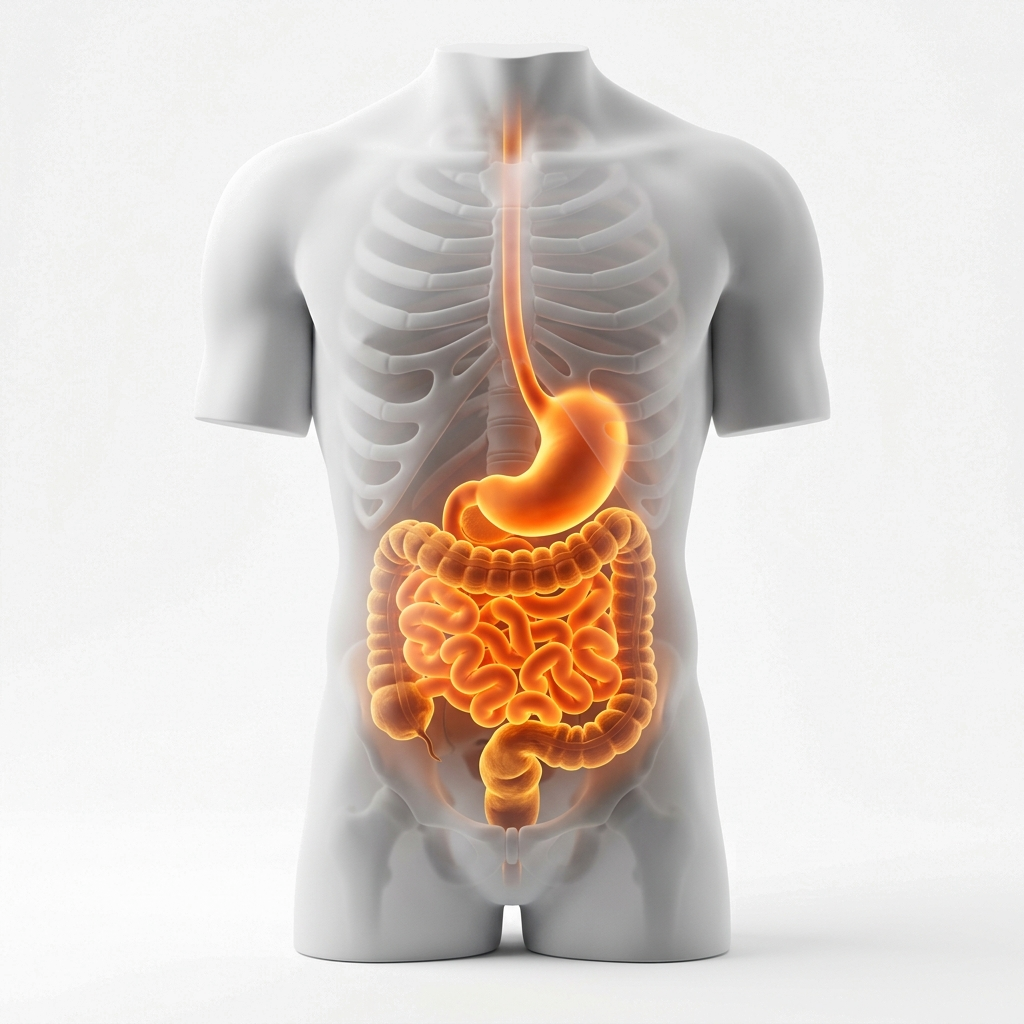
Search by Symptoms
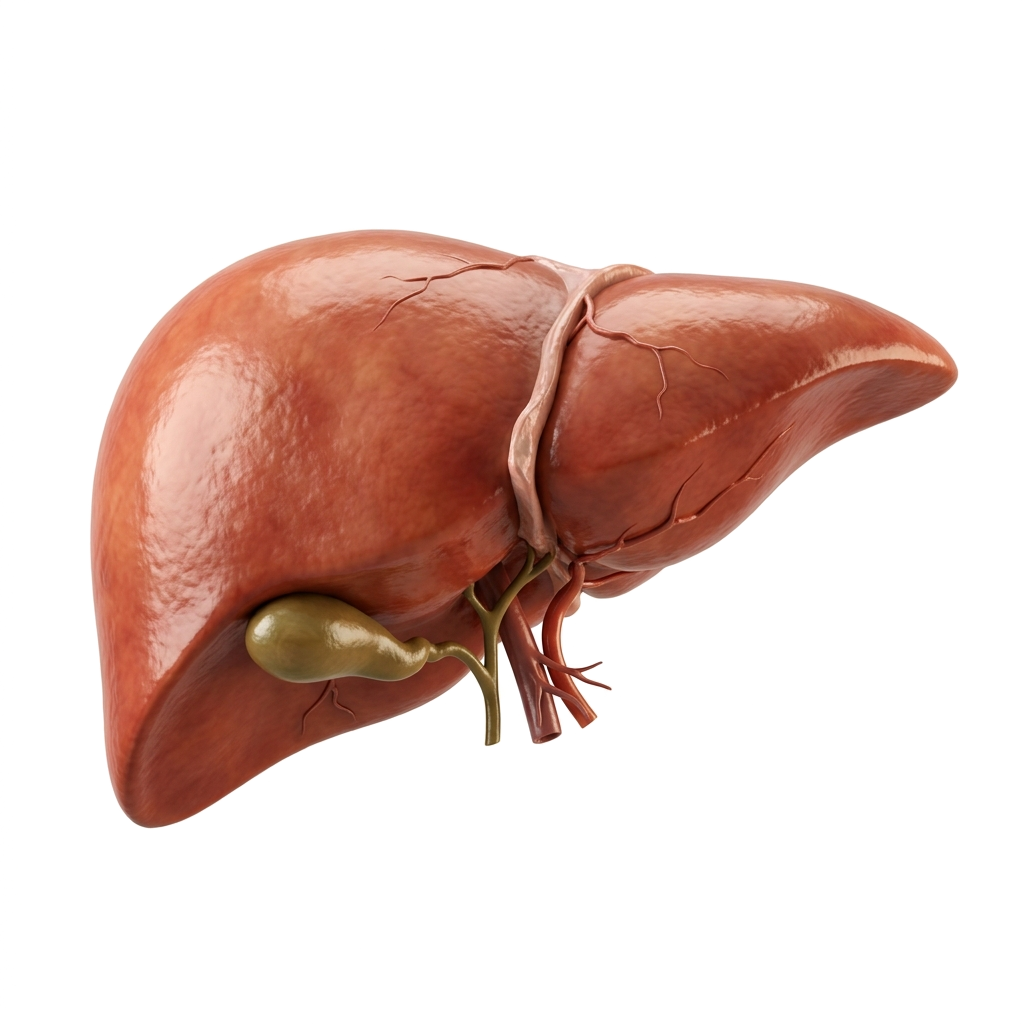
Explore by Organ / Disease
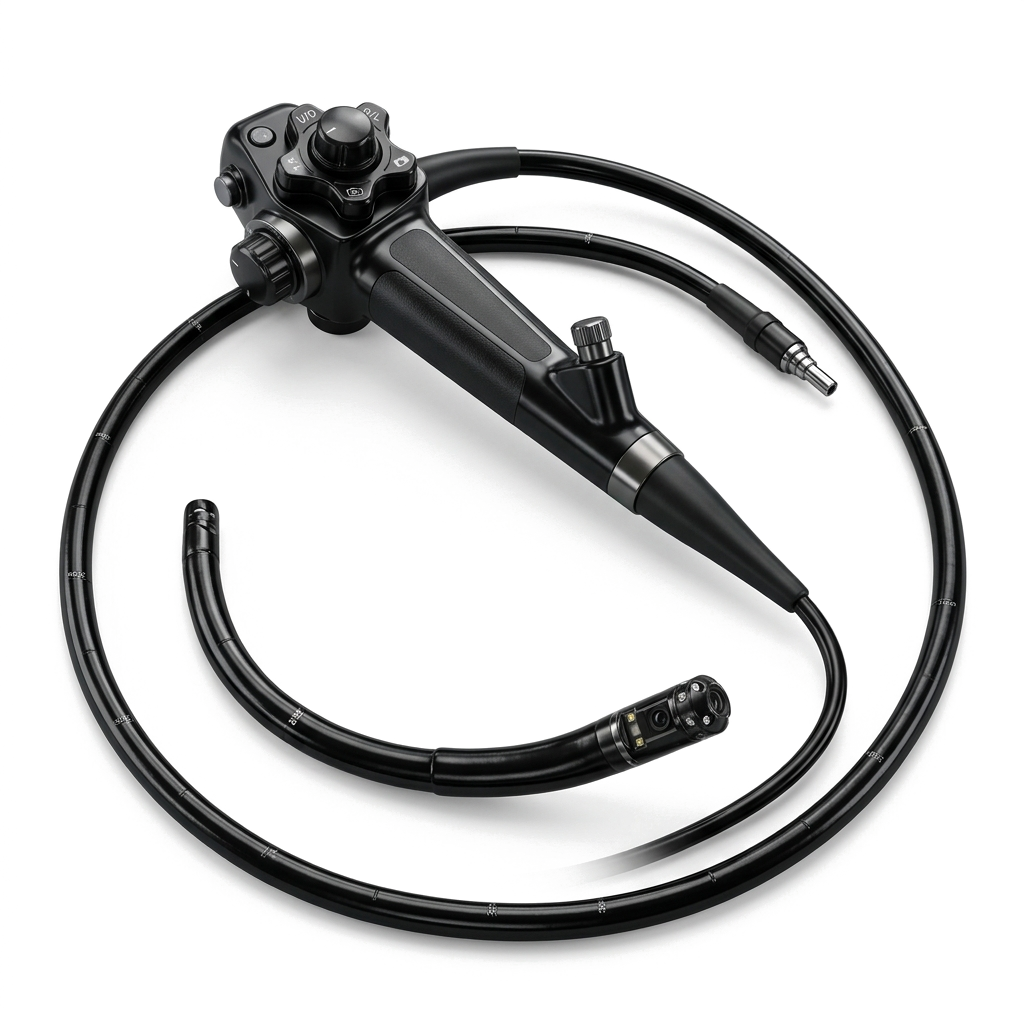
Procedures & Diagnostics

Weight Management
Gut Tests at Home
Ready to Discuss Your Care Pathway?
Book an in-person or virtual consultation with Gold Medalist Dr. Ankita Gupta at Gastro Liver Endoscopy Centre, Greater Kailash, New Delhi.